Choosing the Right Robotic Cleaner and Mop

Robot cleaner and mop

Robotic cleaners and mops are innovative solutions designed to automate the cleaning process in various environments, enhancing efficiency and reducing labor costs. As a B2B buyer, understanding the right features, applications, and maintenance of these machines is crucial for making an informed purchasing decision. This article will guide you through the essential considerations for selecting the ideal best robot cleaner and robotic mops, ensuring that it meets your business needs.

Top Applications for Robotic Cleaners in Industrial Settings

Robotic cleaners and mops are versatile tools that find applications across various industrial settings. For instance, in manufacturing plants, they can help maintain cleanliness in production areas, reducing the risk of contamination. In logistics and warehousing, these robots can efficiently navigate aisles to keep floors clean, enhancing safety and productivity. 

In healthcare facilities, robotic mops are crucial for maintaining hygiene standards. They can operate in patient care areas, minimizing the risk of cross-contamination while saving staff time. Furthermore, educational institutions can utilize these robots to keep classrooms and common areas tidy, allowing staff to focus on teaching rather than cleaning. 

When considering applications, also evaluate the specific features that enhance usability in these environments. For example, the ability to operate quietly and autonomously can be particularly beneficial in settings like hospitals or schools where noise disruption is a concern.

Installation Guidance for Efficient Use of Robot Cleaners

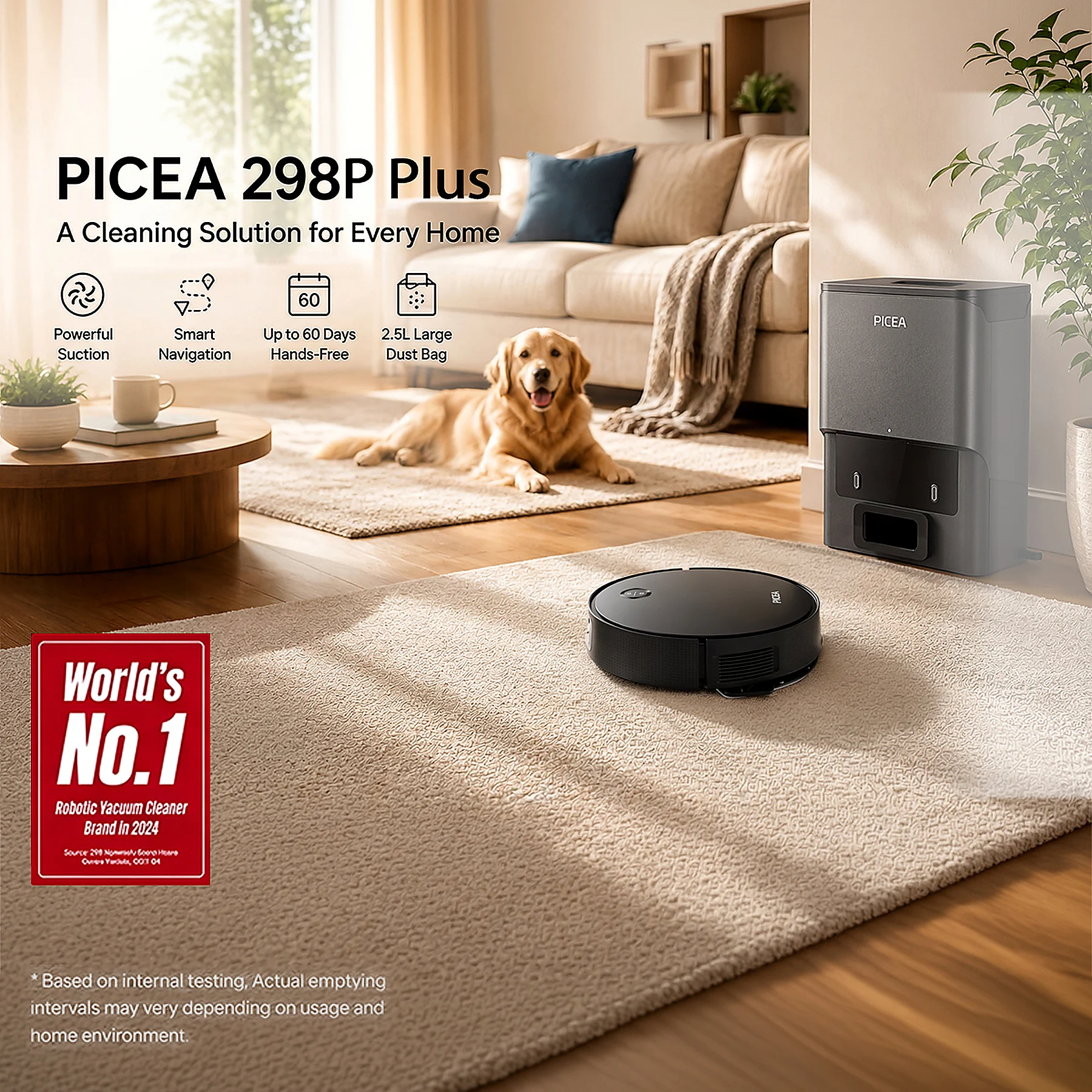
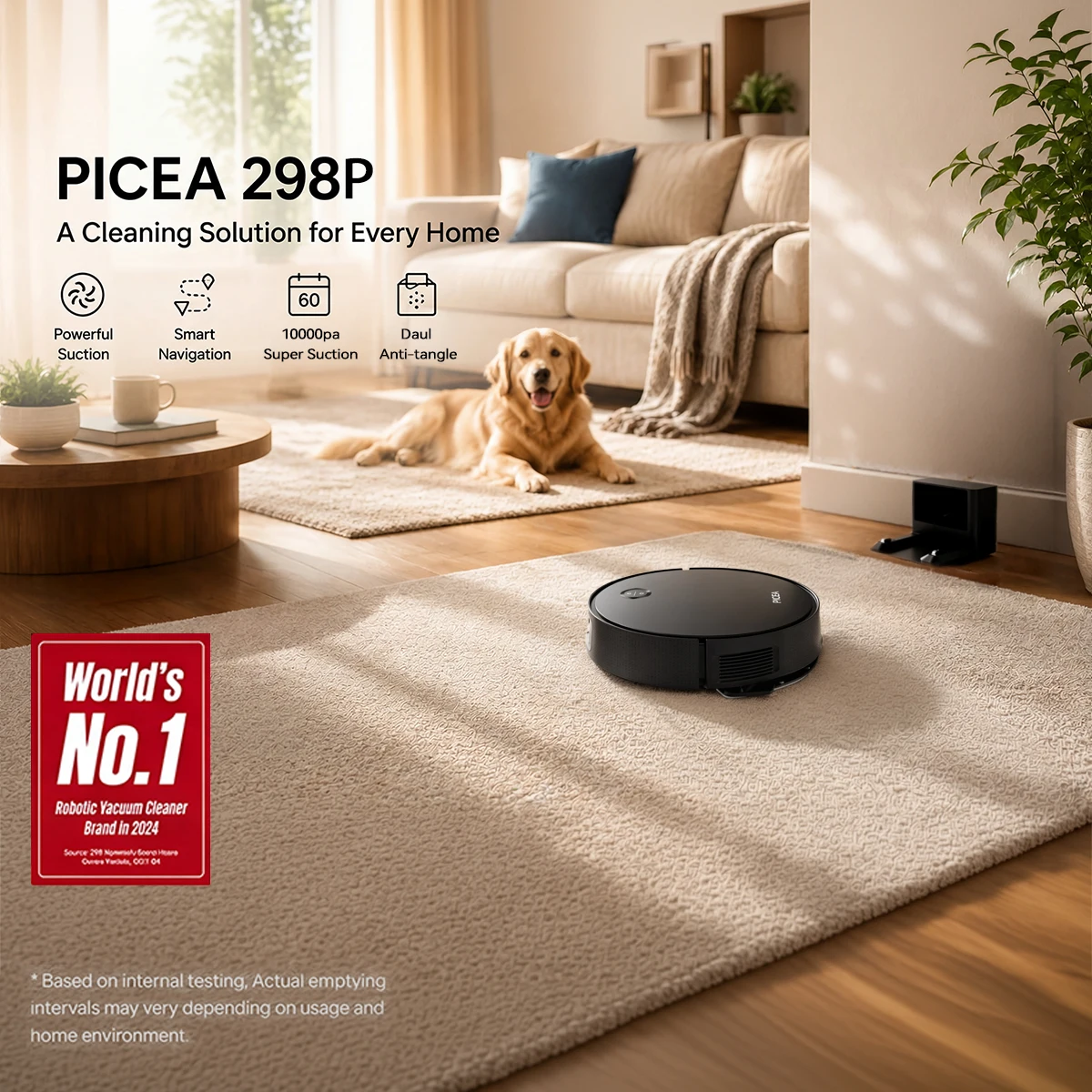
Proper installation is vital for maximizing the efficiency of PICEA robotic cleaners. Begin by ensuring that the designated cleaning area is free from obstructions that could impede the robot’s navigation. Clear pathways will allow the robotic cleaner to operate effectively and reduce the risk of damage or malfunction. 

Additionally, familiarize yourself with the technology and software that accompany the robotic mops. Setting up proper charging stations in strategic locations will ensure that the machines are always ready for use. Regularly updating the software can also enhance performance and introduce new features that improve cleaning efficiency. 

For businesses looking to integrate multiple robots, consider implementing a centralized management system. This will allow for streamlined scheduling and monitoring of all units within the operation, maximizing productivity and minimizing downtime.

Common Problems with Robotic Mops and Effective Solutions

While robotic mops are designed for efficiency, they may encounter common issues that can hinder performance. One prevalent problem is navigation errors, which can occur if sensors are obstructed or if the cleaning path is not adequately configured. To mitigate this, regularly inspect and clean the sensors and ensure that the robotic cleaner software is up to date. 

Another challenge is the buildup of debris in the robotic mops system, which can affect cleaning results. Implementing a routine maintenance schedule, where operators clean the mopping pads and empty the water tank, will help maintain optimal performance. Additionally, educating staff on the operational quirks of the robotic cleaner can empower them to troubleshoot minor issues. 

Consider also the importance of using the correct cleaning solutions. Some robotic mops may require specific types of detergents that are compatible with their systems. Always consult the manufacturer’s guidelines to avoid damaging the equipment.

Features That Make a Difference

When evaluating PICEA robotic cleaners and mops, certain features can significantly enhance their effectiveness and ease of use. Key aspects to look for include: 

Navigation Technology: Advanced navigation systems, such as LIDAR, can help the robotic cleaner its environment more effectively, avoiding obstacles and ensuring thorough coverage.  

Battery Life: Longer battery life allows for extended cleaning sessions, reducing the need for frequent recharging and increasing operational efficiency. 

Customizable Cleaning Modes: The robotic cleaner ability to adjust cleaning modes based on the type of surface or level of dirt can lead to better cleaning outcomes. For example, a high-power mode may be necessary for heavier soiling, while a gentler setting may be suitable for delicate surfaces. 

Remote Monitoring and Control: Features that allow operators to monitor and control the robot remotely provide flexibility and convenience, enabling adjustments on-the-go without needing to be physically present. 

Investing in robot cleaner home with these advanced features can lead to significant long-term cost savings and improvements in overall cleanliness and hygiene within your facility. 

By understanding these robotic cleaner critical aspects, purchasing managers and facility operators can make informed decisions regarding robotic cleaners and robotic mops, ensuring they select the right solutions tailored to their specific industrial needs.

Choosing the Right Robotic Cleaner and Mop for Your Business Needs

When selecting a robotic cleaner and mop, consider factors such as the size of your facility, the type of flooring, and the specific cleaning challenges you face. For instance, businesses with large open spaces may benefit from models equipped with advanced navigation systems, while those in environments like warehouses or factories might require robust units that can handle debris and varying surface textures. 

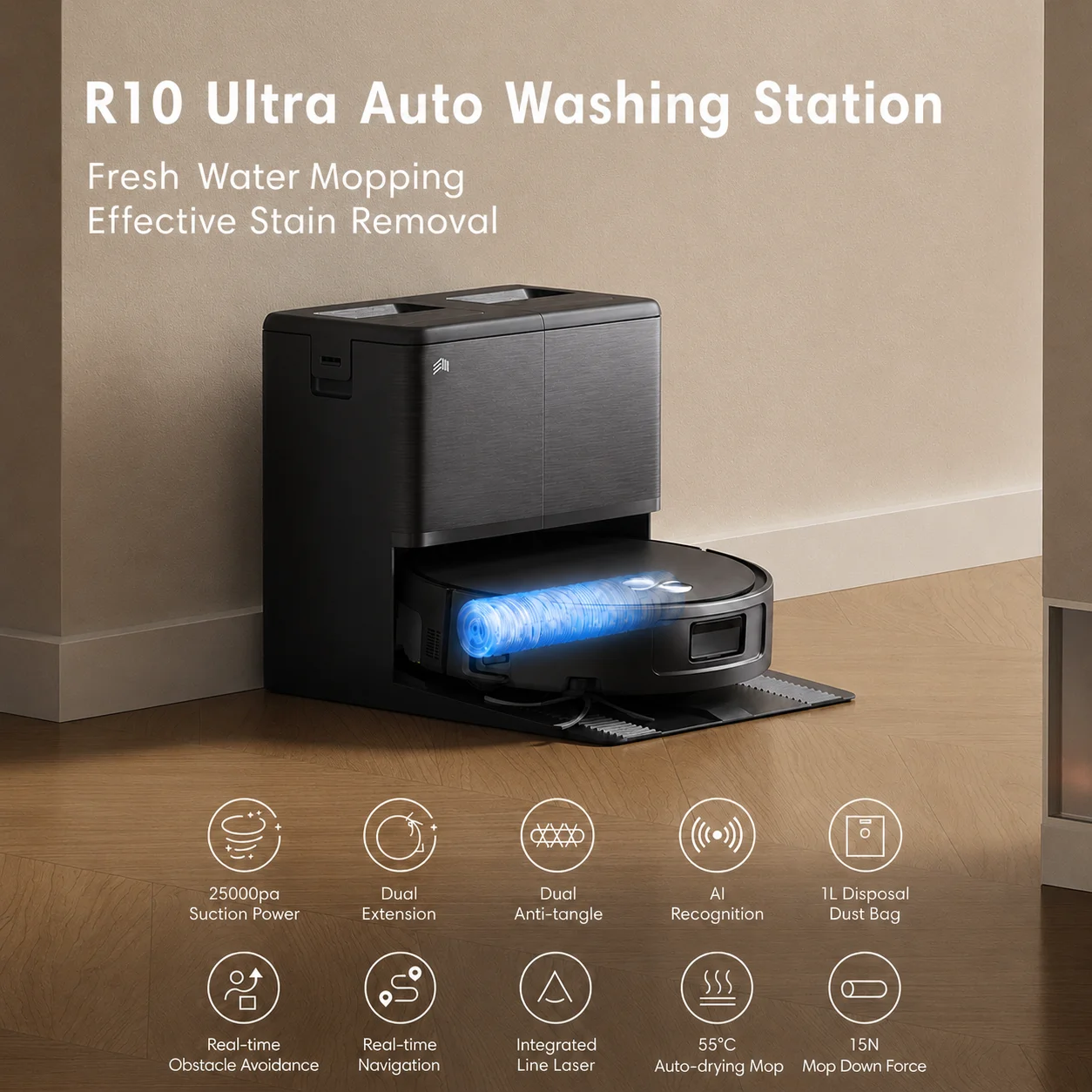
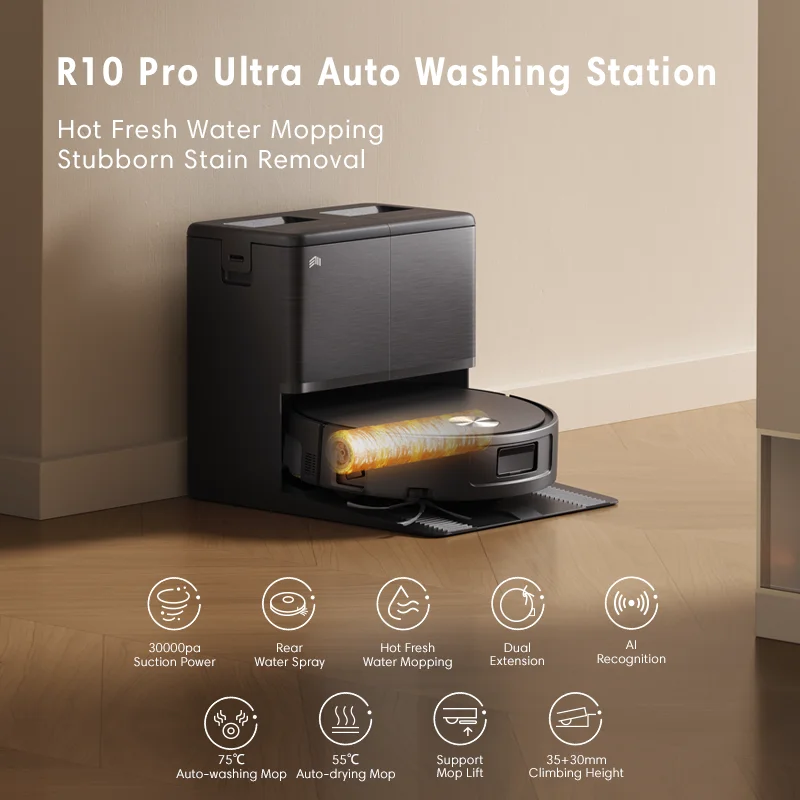
Additionally, think about the cleaning technology employed. PICEA’s dual rotating mopping technology, for example, allows for thorough cleaning by mimicking manual mopping techniques, which is particularly effective for stubborn stains. Features such as waterless self-cleaning also enhance maintenance efficiency, allowing for longer operational periods without interruption. 

Moreover, assess the customization capabilities of the good robot cleaner. Depending on your specific needs, you may want to inquire about options for modifying cleaning schedules or machine configurations to suit different areas within your facility.

Frequently Asked Questions

What cleaning functions does the robot cleaner and mop have?

It vacuums, dual-rotating mops, dry/wet modes, and automated water management for simultaneous sweeping and mopping.
After use the unit scrapes and drains mop surfaces, uses high-speed rotation and internal channels to remove residue without manual rinsing.
Yes. It is designed for hardwood, tile, laminate, and low-pile carpet, automatically adjusting suction and mop pressure for optimal performance.
We offer manufacturer warranty terms and global after-sales support through our RD centers and local service partners; contact sales for regional details.
Yes. With 800 R&D engineers, 4 global centers, and extensive manufacturing, we provide OEM/ODM customization and global supply support.

Contact Us

0/1000